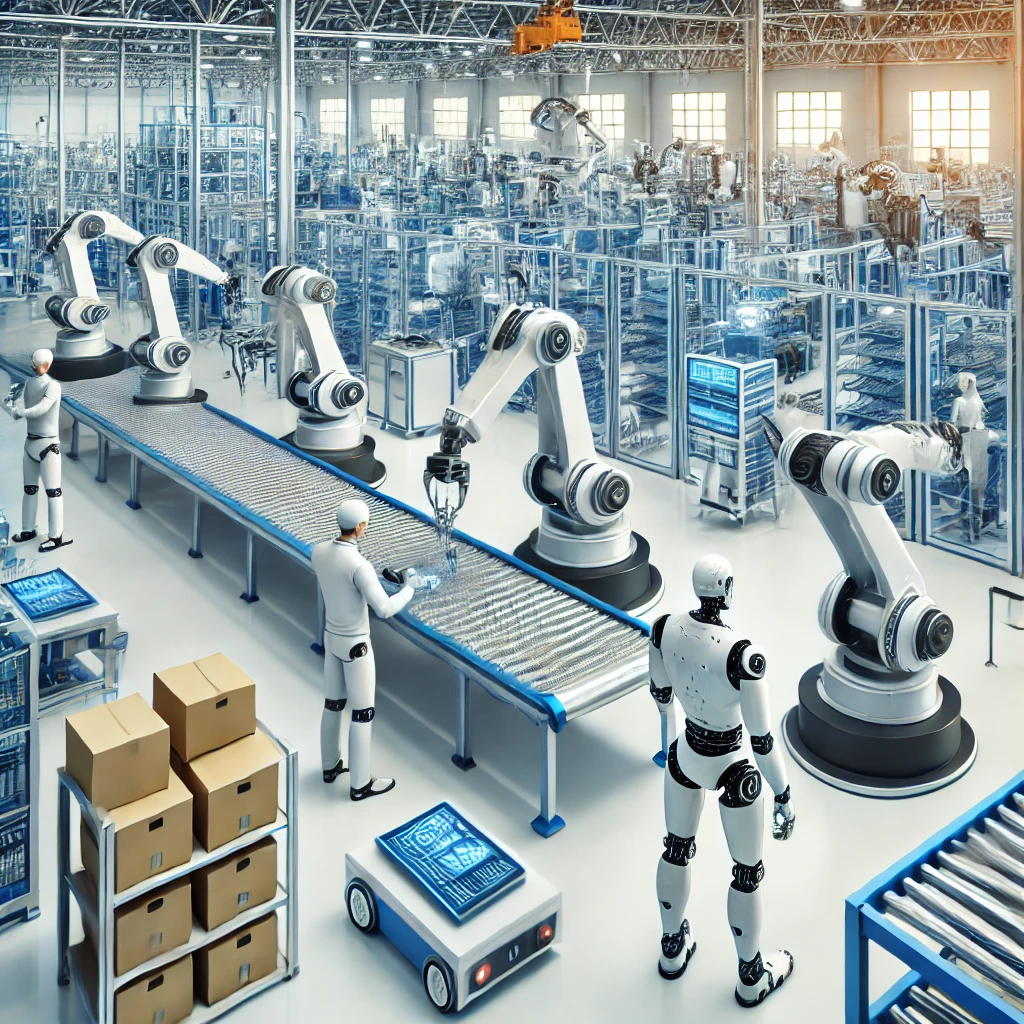
Machine Learning for Predictive Maintenance

Predictive maintenance uses data and machine learning to anticipate when equipment is likely to fail, so maintenance can be scheduled before breakdowns occur. This approach reduces unplanned downtime, extends asset life, and cuts costs. In this article, we explore how ML powers predictive maintenance and how your organization can benefit.

Traditional maintenance is either reactive (fix after failure) or preventive (fix on a schedule). Both can be costly and inefficient. Predictive maintenance uses sensors and historical data to train ML models that predict failures. By identifying anomalies and degradation patterns early, teams can intervene at the right time—neither too early nor too late.
Machine learning algorithms analyze time-series data from sensors—vibration, temperature, pressure, and more—to learn normal behavior and detect deviations. Techniques such as regression, classification, and deep learning can forecast remaining useful life (RUL) or classify equipment health. The more quality data you have, the more accurate the predictions become.
Successful predictive maintenance requires reliable data collection (often via IoT), clean and labeled datasets, and the right ML pipeline. Start with critical assets where downtime is costly. Partner with experts like NeuralFaaruuq to design models, integrate with your systems, and continuously improve accuracy as new data flows in.
Beyond reducing unplanned downtime and maintenance costs, predictive maintenance improves safety, asset utilization, and planning. It also supports sustainability by reducing waste and optimizing resource use. As IoT and ML mature, predictive maintenance will become a standard capability for competitive manufacturers and operators.
Machine learning is transforming maintenance from a cost center into a strategic advantage. Organizations that invest in predictive maintenance today will see fewer failures, lower costs, and better operational efficiency. NeuralFaaruuq helps businesses design and deploy ML-driven predictive maintenance solutions tailored to their assets and data.
 NeuralFaaruuq
Enterprise AI. Built for Production.
NeuralFaaruuq
Enterprise AI. Built for Production.
NeuralFaaruuq designs, builds, integrates, and operates production-ready AI systems for enterprises.