The Future of Robotic Process Automation in Business

Robotic Process Automation (RPA) is no longer a niche technology—it has become a cornerstone of digital transformation for businesses worldwide. By automating repetitive, rule-based tasks, RPA frees human workers to focus on higher-value activities while improving accuracy and speed. In this article, we explore how RPA is shaping the future of business operations and what organizations need to know to stay competitive.
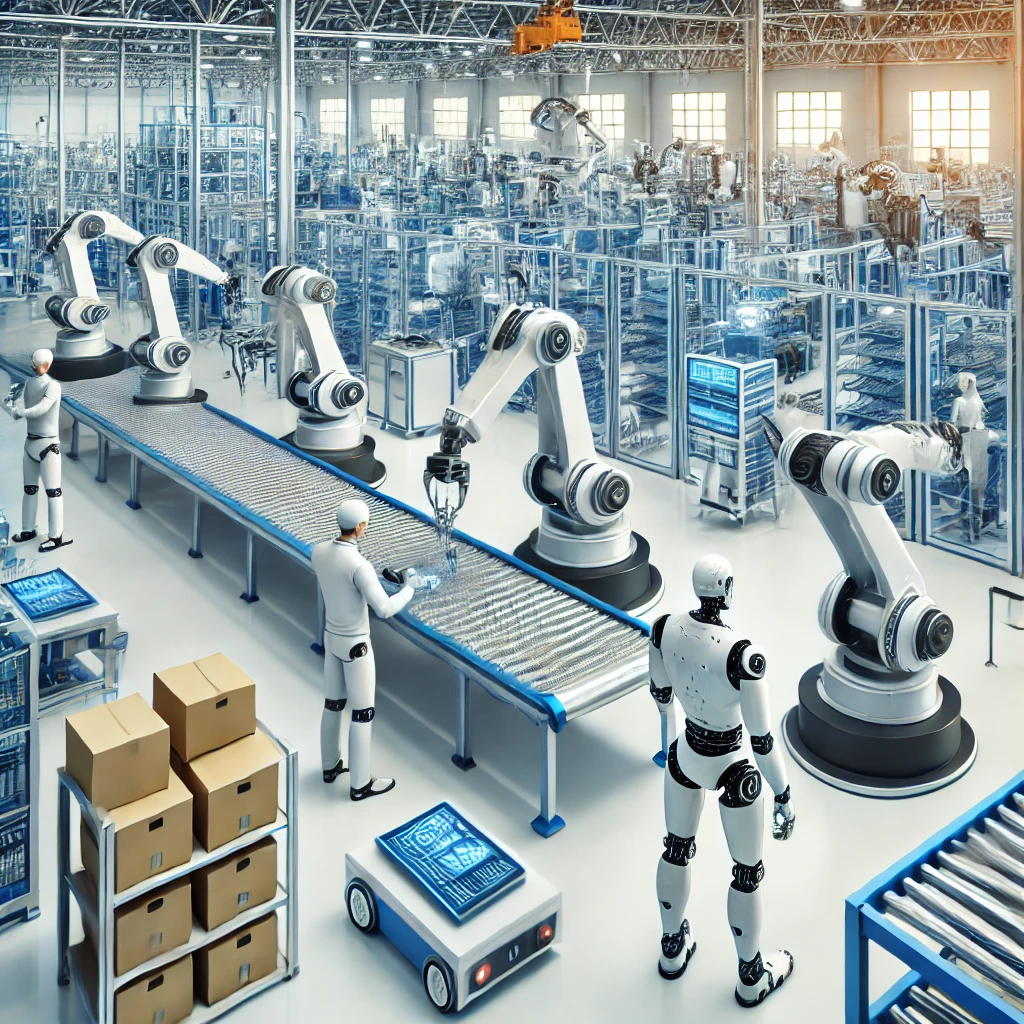
RPA uses software robots to mimic human actions within digital systems—logging into applications, moving data, triggering workflows, and generating reports. Unlike traditional IT automation, RPA can be deployed quickly and adapted without deep coding. This agility makes it ideal for processes in finance, HR, customer service, and supply chain, where consistency and speed are critical.
From banking and insurance to healthcare and retail, RPA is streamlining operations. In finance, bots handle invoice processing and reconciliation; in HR, they manage onboarding and payroll updates; in customer service, they triage tickets and update CRM records. The result is fewer errors, faster cycle times, and lower operational costs.
The future of RPA lies in intelligent automation—combining RPA with AI and machine learning. Bots that can interpret documents, make decisions based on context, and learn from outcomes will handle increasingly complex processes. NeuralFaaruuq is at the forefront of designing such solutions, ensuring our clients are ready for the next wave of automation.
Successful RPA adoption starts with process selection: choose repetitive, rule-based tasks with clear inputs and outputs. Pilot with a small scope, measure outcomes, and scale gradually. Partnering with experts like NeuralFaaruuq can help you identify the right processes, select technology, and build a sustainable automation roadmap.
The future of business is automated—and RPA is a key enabler. Organizations that embrace robotic process automation today will enjoy better efficiency, lower costs, and a workforce focused on innovation. As RPA evolves with AI, the possibilities will only expand. Now is the time to explore how RPA can transform your operations.
 NeuralFaaruuq
Enterprise AI. Built for Production.
NeuralFaaruuq
Enterprise AI. Built for Production.
NeuralFaaruuq designs, builds, integrates, and operates production-ready AI systems for enterprises.